
Business
4 market-moving issues investors should watch now that the midterms are over
By Marcus Chen
Advertisement · Why this ad?
Katherine oversees editorial operations across all six brands. Before joining The Meridan Group, she spent 14 years at the Minneapolis Star Tribune, where she led the metro desk through its digital transformation. She holds a Master's in Journalism from Northwestern's Medill School.
More from Katherine →
As the sun set over New York City, casting a warm glow on the bustling streets, a conversation unfolded in a cozy diner in the heart of Manhattan. A group of friends gathered around a table, their laughter mingling with the clinking of silverware. Yet, amid the jovial atmosphere, a somber topic arose: the future of Social Security. For many, this program represents not just a safety net, but a promise of stability in retirement, a lifeline for families that have worked hard for decades. With the recent electoral victories by Democrats, the conversation turned to a pressing question: who will ultimately bear the burden of reforming Social Security?
The recent elections have reshaped the landscape of American politics, bringing forth a renewed focus on Social Security—a program that has been a cornerstone of the American social safety net since its inception in 1935. With Democrats gaining significant ground in Congress, the potential for legislative changes to this vital program is now more pronounced than ever. Yet, as policymakers consider various proposals to ensure the longevity of Social Security, the implications for American families are substantial.
Social Security faces a critical funding challenge, with the Social Security Administration projecting that the trust fund will be depleted by 2034 if no changes are made. This looming deadline has sparked heated debates among economists, lawmakers, and citizens alike. The question remains: who will pay for the necessary reforms? The options on the table range from increasing payroll taxes to raising the retirement age, each carrying its own set of consequences for American families.
The stakes are high, particularly for the millions of Americans who rely on Social Security benefits to make ends meet in retirement. According to the Social Security Administration, nearly 65 million Americans received Social Security benefits in 2021, with the average monthly payment hovering around $1,500. For many retirees, this income is crucial for covering basic living expenses such as housing, healthcare, and food.
As lawmakers contemplate reforms, the impact on these beneficiaries cannot be overstated. An increase in payroll taxes could mean less take-home pay for workers, while raising the retirement age could force individuals to work longer than anticipated, potentially jeopardizing their health and financial security. These proposals, while aimed at addressing the funding shortfall, may disproportionately affect lower-income families who rely heavily on these benefits.
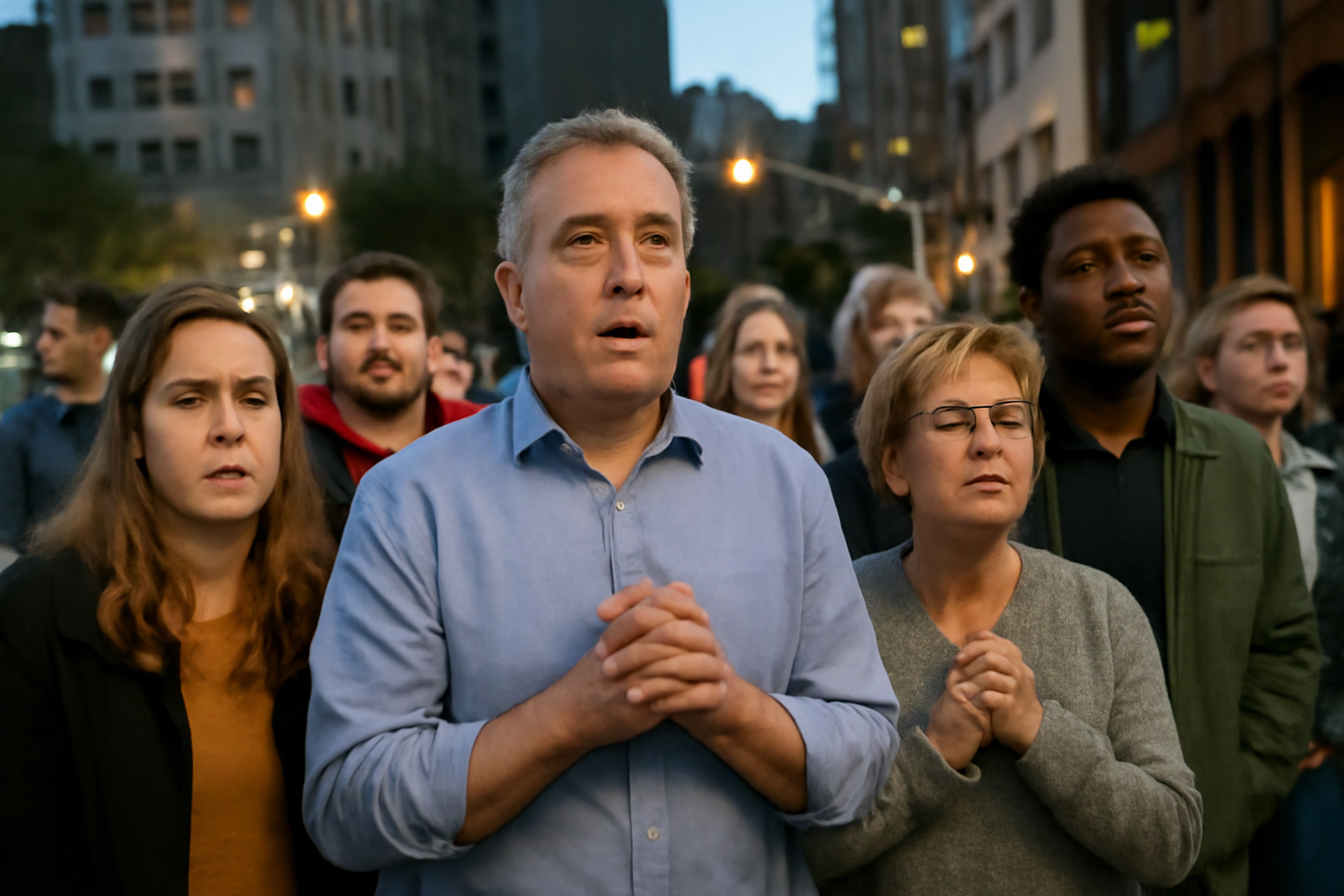
In neighborhoods across New York City, the anxiety surrounding Social Security reform is palpable. Local community organizations have begun to mobilize, urging residents to engage in discussions about the future of Social Security. At a recent town hall meeting in Brooklyn, a diverse group of citizens gathered to voice their concerns and share personal stories about the importance of Social Security in their lives.
One attendee, Maria Gonzalez, a retired schoolteacher, shared her experience. "I worked hard my entire life, and now I depend on my Social Security benefits to pay my rent and buy groceries. If they raise the retirement age, I don't know how I will manage to make ends meet," she said, her voice filled with emotion. Stories like Maria's highlight the human impact of potential policy changes, reminding lawmakers that these decisions affect real lives.
At the same town hall, community leader James Thompson emphasized the need for grassroots involvement, stating, "If we don’t make our voices heard, we risk losing the very support systems that have helped generations of families thrive. Social Security isn't just a number; it's about dignity and respect in our later years." His words resonated with many attendees, who nodded in agreement as they shared their own experiences.
As the new Congress convenes, the future of Social Security remains uncertain. Lawmakers are expected to introduce various proposals aimed at reforming the system, which could include increasing the payroll tax cap or adjusting benefits for higher-income earners. Each proposal will undoubtedly face scrutiny and debate, as stakeholders from across the political spectrum weigh in on the best path forward.
The challenge lies in finding a solution that not only addresses the funding shortfall but also protects the most vulnerable populations. Advocates for Social Security reform emphasize the need for a balanced approach that considers the long-term sustainability of the program while ensuring that benefits remain adequate for those who depend on them.
To better understand the implications of these potential reforms, local advocacy groups are working to gather data and conduct surveys among residents. For instance, the New York City Department of Aging is collaborating with local universities to analyze how proposed changes could impact different demographics within the city. This research will be crucial in shaping discussions with lawmakers and ensuring that the voices of New Yorkers are heard.
In the coming months, it will be crucial for community members to stay informed and engaged in the dialogue surrounding Social Security. Local advocacy groups, such as the New York City Department of Aging, are working to provide resources and information to help residents understand the implications of proposed reforms. By participating in discussions and advocating for their needs, citizens can play an active role in shaping the future of Social Security.
As families across New York City navigate the complexities of the current economic landscape, the importance of committed relationships and strong community ties becomes even more evident. Social Security is not just a financial program; it is a reflection of our collective values and commitment to supporting one another in times of need. As we look ahead, it is imperative that we prioritize the well-being of our families and ensure that the promise of Social Security remains intact for future generations.
Moreover, the engagement of younger generations in this conversation is vital. Many young workers may not see the immediate relevance of Social Security, but as they enter the workforce and begin to plan for their futures, understanding the program’s sustainability will become increasingly important. Initiatives aimed at educating younger citizens about Social Security can foster a sense of responsibility and encourage them to advocate for reforms that will ensure its viability.
The road to reforming Social Security will undoubtedly be challenging, but it is a conversation that must take place. As we engage with our neighbors and advocate for our families, we can work towards a solution that honors the hard work of American families and secures the future of this vital program. The stakes are too high to remain silent; the future of Social Security is not just a political issue but a deeply personal one for millions of Americans.
By Marcus Chen

By Katherine Langford

By Marcus Chen
By Katherine Langford