Business
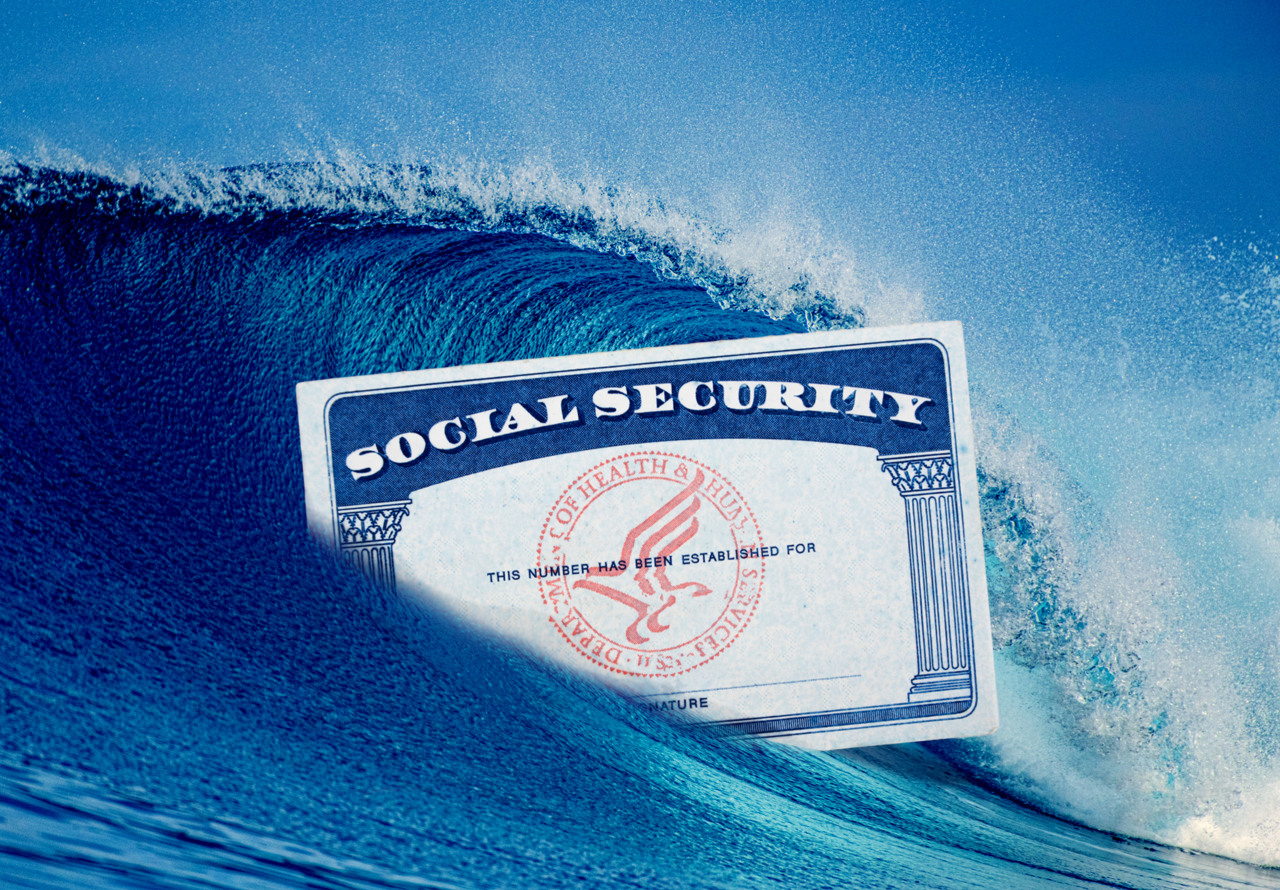
Democrats’ big election win revives a difficult Social Security question: Who pays?
By Katherine Langford
Advertisement · Why this ad?
Katherine oversees editorial operations across all six brands. Before joining The Meridan Group, she spent 14 years at the Minneapolis Star Tribune, where she led the metro desk through its digital transformation. She holds a Master's in Journalism from Northwestern's Medill School.
More from Katherine →
On a crisp November evening in New York City, a group of friends gathered around a small table at a bustling café in Brooklyn, their faces illuminated by the warm glow of string lights overhead. As they sipped their coffees and shared laughter, the conversation inevitably turned to the recent midterm elections. For many, the results were a source of joy and relief, reflecting a broader sentiment across the country. Yet, as the discussion unfolded, it became clear that the emotions tied to these results were deeply influenced by their financial circumstances.
According to recent surveys, a significant majority of Americans expressed positive feelings about the outcomes of the midterm elections. Approximately 70% of respondents reported feeling either “thrilled” or “happy” with the results, signaling a hopeful outlook for many. However, the data also indicated a stark divide based on income levels. Those earning higher salaries tended to express greater satisfaction compared to their lower-income counterparts.
This disparity underscores the complex relationship between economic conditions and political sentiment. As the economy continues to grapple with inflation and rising costs, the emotional responses to political outcomes are often colored by individuals' financial realities. For instance, a recent Pew Research study highlighted that families earning over $100,000 annually were significantly more likely to express optimism about the future compared to those making less than $50,000.
Delving deeper into the data reveals that the feelings of satisfaction among wealthier Americans are often linked to their perceptions of economic stability and growth. Many individuals in this income bracket reported feeling that their financial situations would improve with the policies likely to be enacted by the newly elected officials. Conversely, lower-income Americans voiced concerns about ongoing economic challenges, which shaped their views of the election results.
For instance, Sarah Johnson, a single mother of two living in the Bronx, expressed her disappointment with the election outcomes. "I feel like the politicians don’t understand what people like me are going through. It’s hard to be happy when I’m worried about rent and groceries every day," she shared. Her perspective is echoed by many in her community, reflecting a broader feeling of disenfranchisement among those struggling financially.
Economic security plays a pivotal role in shaping political opinions. When individuals feel financially stable, they are more likely to express contentment with political outcomes. This is particularly evident in the context of the midterm elections, where economic issues dominated the discourse. Candidates who focused on job creation and economic recovery resonated more with voters from higher-income brackets, while those addressing social issues found more traction among lower-income voters.
As the Bureau of Labor Statistics reported, the unemployment rate has seen fluctuations, impacting how Americans perceive their economic prospects. In areas where job growth is robust, residents felt a sense of hope that the political landscape would support ongoing economic improvement. In contrast, communities facing job losses or stagnant wages expressed frustration with the electoral process, feeling that their needs were not adequately represented.
The emotional landscape surrounding the midterm elections is not uniform across the nation. In affluent neighborhoods, celebrations erupted as candidates aligned with their economic interests secured victories. Residents of the Upper East Side, for example, took to social media to express their elation, with many sharing posts about the positive implications for their businesses and investments.
Meanwhile, in lower-income areas such as parts of Harlem, the mood was markedly different. Community meetings held in local churches and community centers revealed feelings of disillusionment. “We need leaders who will fight for us, not just the wealthy,” remarked Pastor James Robinson during a community gathering. His call for unity and action resonated with attendees who felt overlooked in the political process.
In addition to Pastor Robinson, local activists like Maria Gonzalez, who leads a grassroots organization focused on economic justice, expressed similar sentiments. “Our community has been struggling for years. We need policies that address our issues directly, like affordable housing and access to healthcare,” she stated passionately during a recent rally. Her organization has been working tirelessly to mobilize voters and ensure that the voices of lower-income families are heard in the political arena.
Moreover, many residents shared personal stories that highlighted the challenges they face daily. For example, Jamal Carter, a recent college graduate, lamented about the difficulty of finding stable employment that pays a living wage. “I worked hard for my degree, but I still can’t find a job that supports me. It’s frustrating to see politicians celebrating while people like me are struggling to make ends meet,” he said, reflecting the disillusionment felt by many young adults in the city.
As the dust settles from the midterm elections, the challenge remains: how to bridge the divide between differing income groups and their political sentiments. The incoming administration will need to address the economic disparities that have become increasingly pronounced. Initiatives aimed at job creation, affordable housing, and healthcare access will be crucial in restoring faith among lower-income voters.
Moreover, fostering dialogue between communities of varying economic backgrounds can help cultivate a sense of shared purpose. Programs that encourage collaboration and understanding, such as community forums and outreach initiatives, can play a significant role in bridging the gap. As New Yorkers reflect on the election results, the emphasis on unity and collective action will be essential in moving forward.
Local government plays a critical role in addressing these issues. City officials have the opportunity to implement policies that directly impact the lives of residents in lower-income neighborhoods. Initiatives such as increasing funding for public transportation, improving access to quality education, and providing support for small businesses can help alleviate some of the economic pressures faced by these communities.
Additionally, collaboration with non-profit organizations can enhance outreach efforts, ensuring that resources are available to those who need them most. By prioritizing community engagement and actively listening to constituents, local leaders can create a more inclusive political environment that reflects the needs of all residents.
The midterm elections have highlighted a significant divide in how Americans feel about their political landscape, largely influenced by their economic circumstances. While many celebrate the outcomes with optimism, others remain skeptical and concerned about their future. As the nation moves forward, it is imperative to address these disparities and work towards a more inclusive political environment that values the voices of all citizens, regardless of their income level. Only then can we hope to foster a society that reflects the best of the American dream: one where every family has the opportunity to thrive.
By Katherine Langford

By Marcus Chen
By Marcus Chen
By Katherine Langford